Building a remote development team in Morocco is one of the highest-ROI decisions a UK or European tech company can make in 2025. But like any hiring process, it requires structure. Rushed or poorly defined processes lead to mismatched hires, wasted onboarding time, and frustrated teams on both sides.
This guide walks you through every stage — from scoping your needs to running your first two-week sprint — so you can build a Moroccan remote dev team that actually delivers.
Step 1: Define Your Technical Requirements
Before posting a single job description, document precisely what you need. Vague requirements ("we need a full-stack developer") lead to a flood of unqualified applicants and slow hiring.
- List the specific technologies, frameworks, and languages required (React, Node.js, Python, AWS, etc.)
- Define seniority level: Junior, Mid, Senior, or Lead — with minimum years of relevant experience
- Clarify the scope: greenfield product, legacy maintenance, feature development, or DevOps/infrastructure
- Determine team size: solo developer, small team (2–4), or a full squad including PM and QA
- Set communication expectations: daily standups, sprint cadence, async vs. sync work ratio
- Identify language requirements: English proficiency level, French if relevant
Step 2: Choose the Right Engagement Model
There are two primary models for building a Moroccan remote dev team, and choosing the right one upfront saves significant friction later.
Step 3: Source and Pre-Screen Candidates
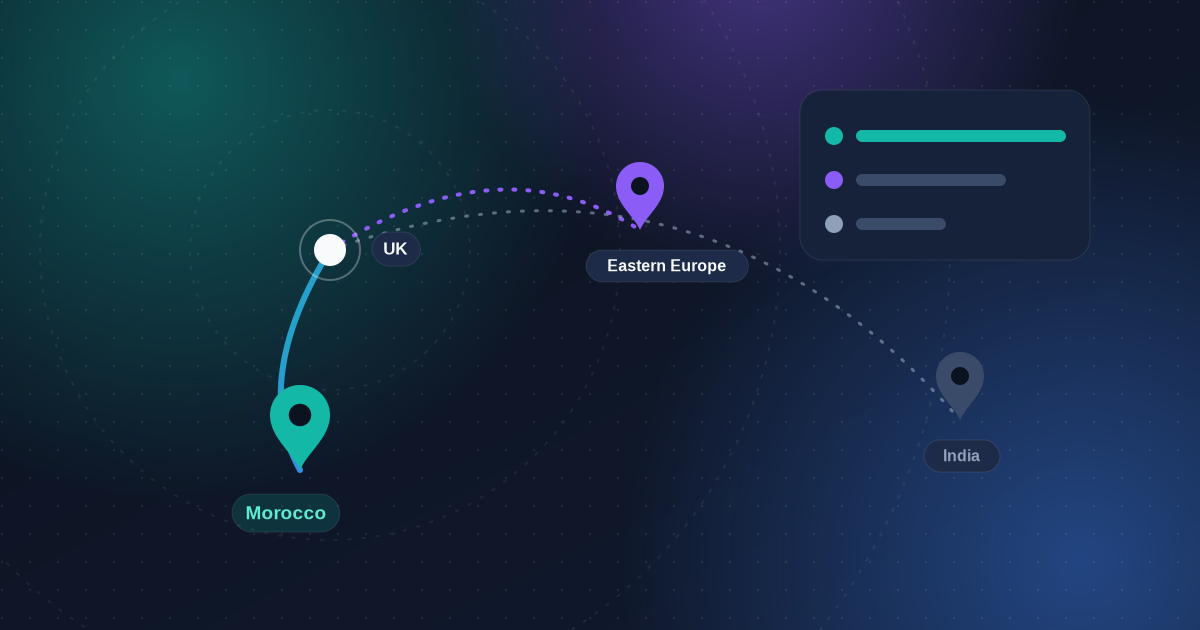
Morocco's tech talent is concentrated in three cities: Casablanca (largest pool, most enterprise-experienced profiles), Rabat (strongest engineering school outputs: ENSIAS, EMI, INPT), and Tangier (growing rapidly, increasingly competitive rates).
Effective sourcing channels include:
- LinkedIn (search for profiles with keywords in Arabic, French and English)
- Moroccan job platforms: Rekrute.com, Emploi.ma, Bayt.com
- GitHub and Stack Overflow for technical community contributions
- University partnerships with ENSIAS, EMI, INPT, ENSA schools
- A nearshore partner like Invision Pixels with a pre-qualified talent pool of 500+ developers
Pre-screening should filter on: technology match, seniority level, English/French communication, and availability. At this stage, a brief 15-minute video call is sufficient to assess communication before investing in full technical testing.
Step 4: Technical Assessment
Do not skip rigorous technical assessment. The best Moroccan engineers expect and appreciate a structured process — it signals that you are a serious employer.
- Coding challenge: A realistic, time-boxed task (2–4 hours) using your actual tech stack. Avoid generic LeetCode puzzles that test algorithm memorisation, not product engineering.
- Code review session: Ask the candidate to review a deliberately flawed piece of code. This reveals architectural thinking and communication style simultaneously.
- Technical interview: A 60-minute video call with your senior engineer or CTO covering system design, debugging, and stack-specific questions.
- Portfolio or GitHub review: For senior candidates, review past projects for code quality, documentation standards, and architectural decisions.
Step 5: Contracts, Compliance, and Legal Setup
Hiring Moroccan developers remotely involves two main legal approaches:
Regardless of the model, ensure your contracts cover: data protection and GDPR compliance, intellectual property assignment, confidentiality / NDA, non-compete clauses where applicable, and SLA definitions.
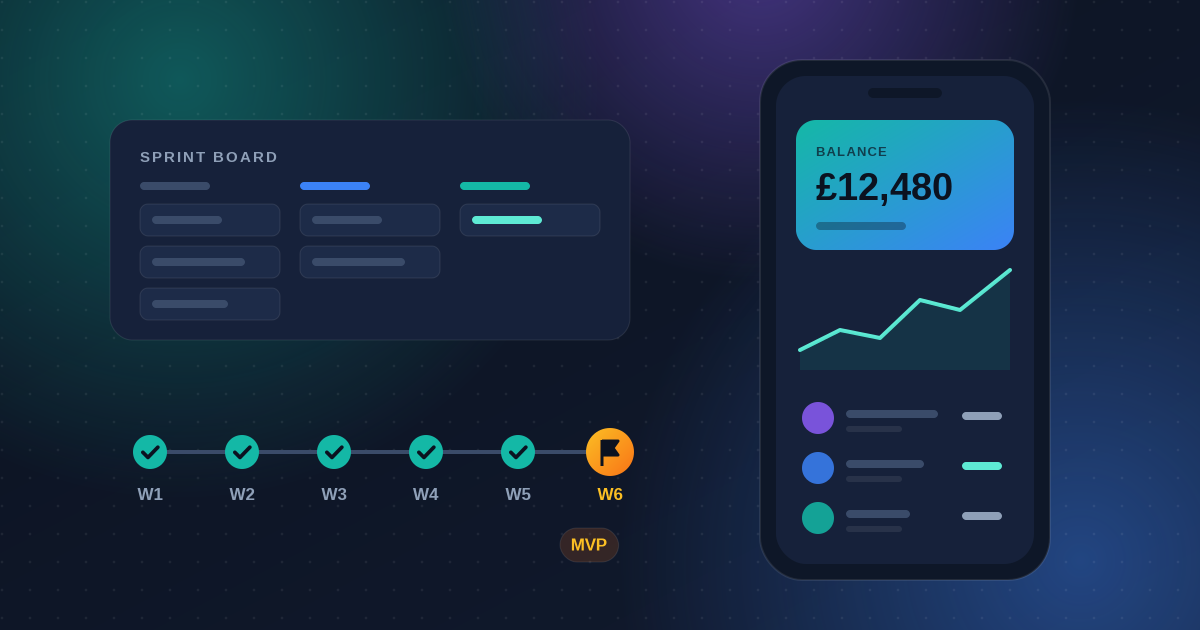
Step 6: Onboarding — The First 2 Weeks
A structured onboarding process dramatically reduces time-to-productivity and prevents early-stage attrition. Your onboarding checklist should include:
- Day 1: Welcome call with team lead, environment setup, access provisioning
- Day 2–3: Codebase walkthrough, architecture documentation, existing PR reviews
- Week 1: Shadowing existing developers, attending all standups and ceremonies
- Week 2: First independent task — a well-defined, medium-complexity ticket with clear acceptance criteria
- End of Week 2: Structured feedback session — technical quality, communication, blockers
Step 7: Daily Operations and Communication Rhythms
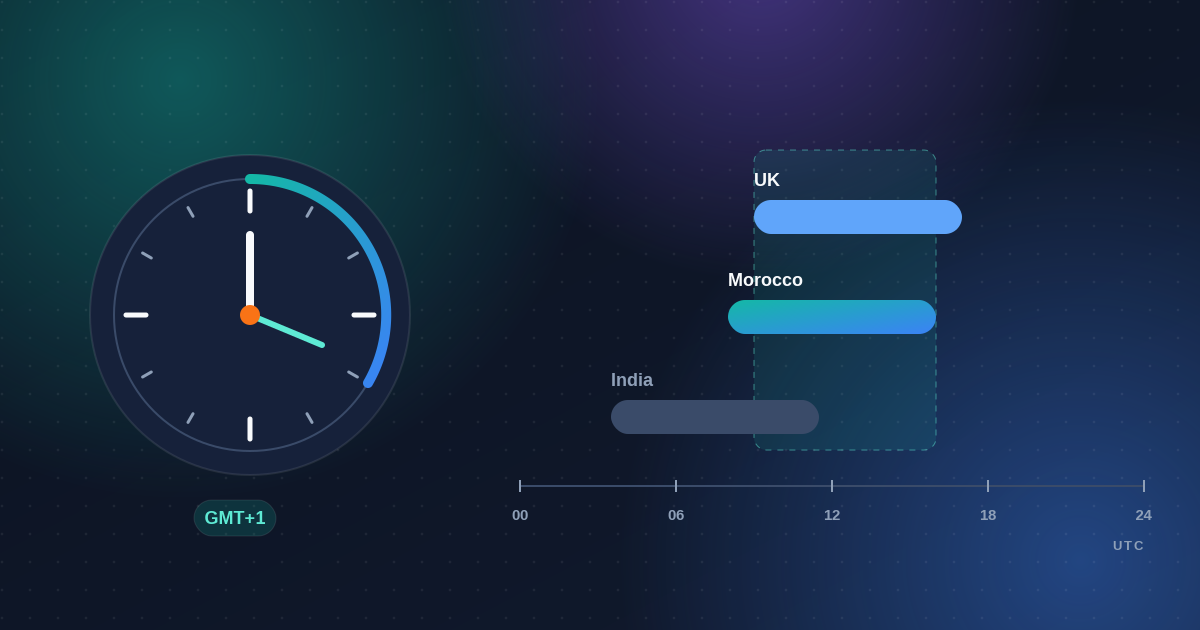
Morocco's GMT+1 timezone makes daily synchronous communication natural. The following rhythms work well for Morocco-UK remote teams:
- Daily standup: 9:30am London / 10:30am Casablanca — 15 minutes, video on
- Sprint planning / reviews: Weekly or bi-weekly — shared calendar, no timezone surprises
- Async updates: End-of-day Slack summaries from the Moroccan team before UK colleagues log off
- 1:1s: Bi-weekly between UK line manager and each Moroccan team member
- Quarterly in-person: Casablanca or London — budget for one annual on-site visit minimum
"The companies that get the most from their Moroccan teams treat them as full team members, not subcontractors. Same standups, same Slack channels, same sprint goals. The timezone makes it easy — geography becomes irrelevant."
Step 8: Scale and Iterate
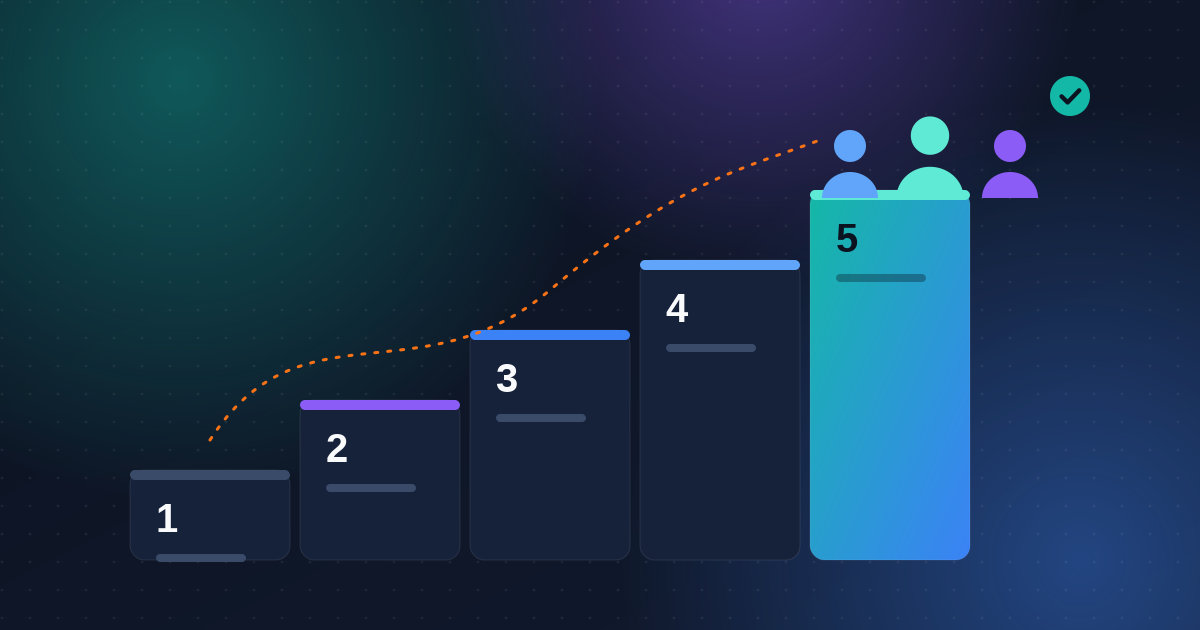
Once your first hire or small team is operating smoothly (typically 4–6 weeks), you have a template for scaling. Morocco's talent pool supports rapid scaling — Invision Pixels can typically present pre-qualified profiles within 48 hours.
- Documented onboarding process reduces future ramp-up time to under one week
- Build internal champions: your first Moroccan hire becomes the onboarding guide for the second
- Gradually expand into adjacent roles: DevOps, QA, mobile, product design
- Consider a Moroccan team lead to manage day-to-day operations independently
Conclusion
Building a remote development team in Morocco is not complicated — but it does require intentionality. Define requirements clearly, assess rigorously, onboard deliberately, and communicate consistently. Companies that follow this process typically see their Moroccan teams outperforming early expectations within 60 days.
If you want to shortcut the sourcing and screening phases, Invision Pixels maintains a pre-qualified pool of 500+ Moroccan engineers. We can deliver interview-ready profiles within 48 hours of receiving your brief.