Introduction
India, Eastern Europe and Morocco each offer strong value — but not for the same priorities.
The right choice depends on whether your business optimizes for budget, speed, control or collaboration.
European teams often underestimate how much timezone and communication affect real delivery output.
What companies really compare when building remote teams
The real comparison goes beyond hourly rates. Buyers should assess total collaboration quality, engineering maturity, reliability of staffing, ease of management and the ability to work as one product team.
Cost comparison: rates, overhead and total delivery value
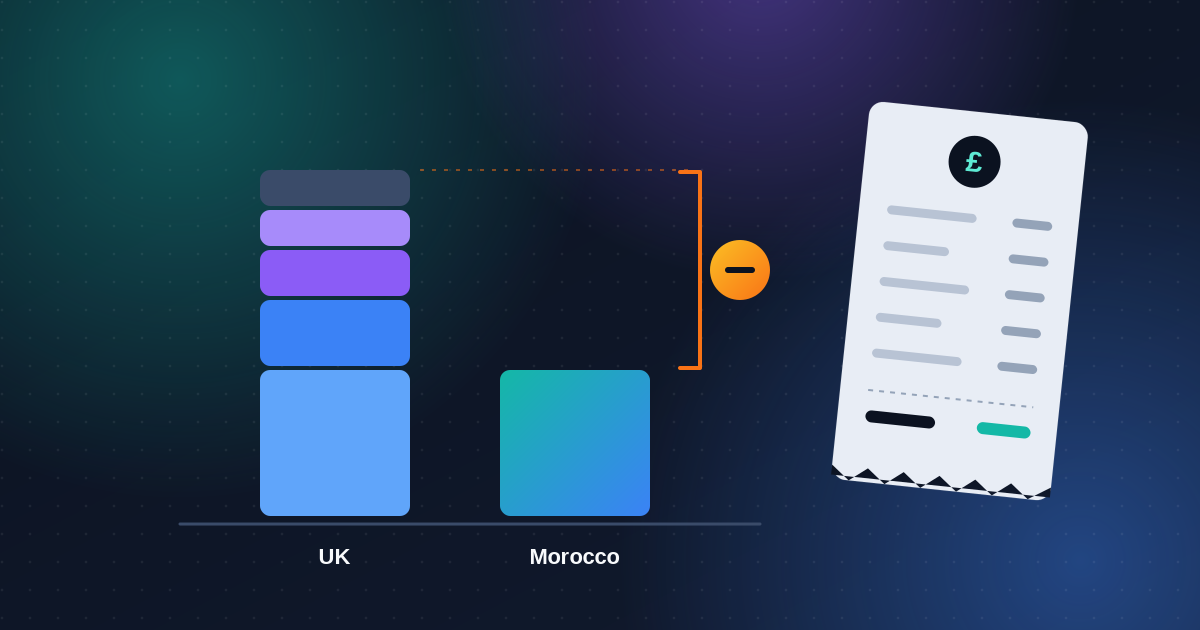
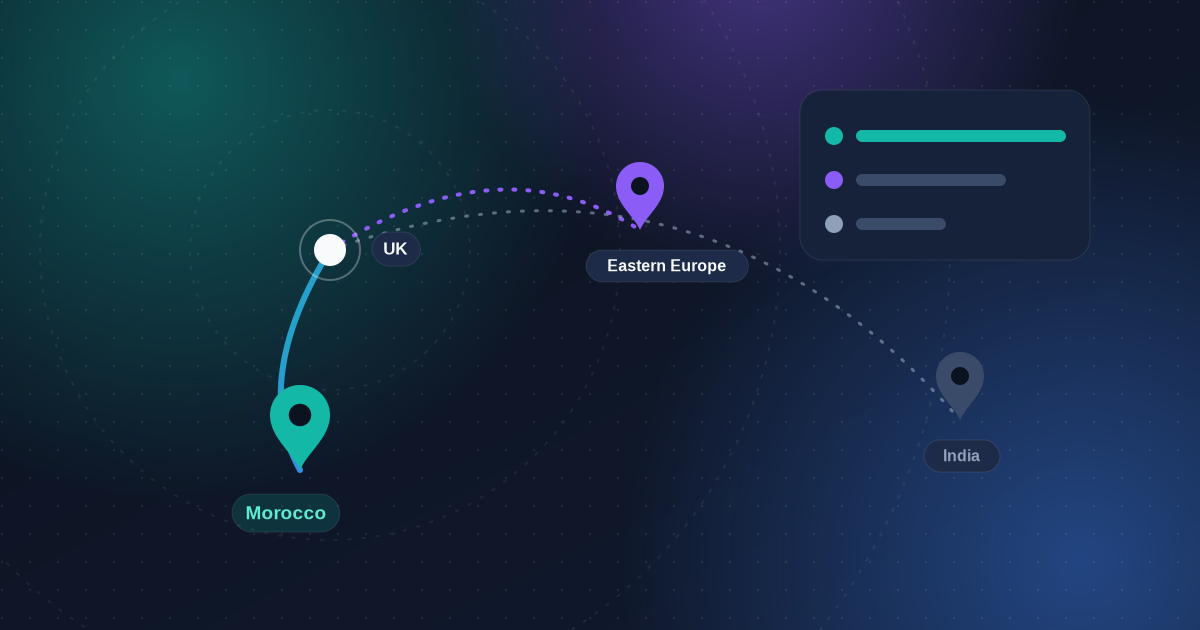
India is often selected for rate competitiveness and scale. Eastern Europe is frequently valued for strong engineering depth and cultural proximity. Morocco increasingly stands out for offering a balanced mix of affordability and European alignment.
Timezone and collaboration: where execution gets faster
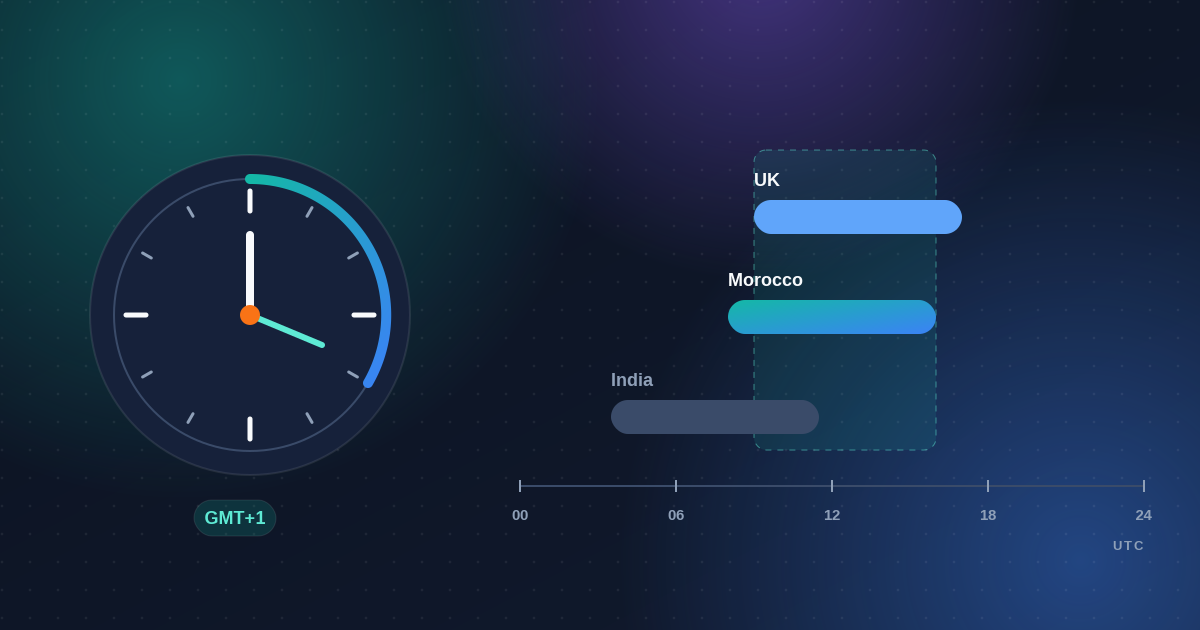
Overlap hours directly affect sprint rhythm, blocker removal and review cycles. Teams with better overlap can make decisions faster and reduce the slowdowns caused by delayed responses or overnight dependencies.
Talent quality and specialization by region
Each region has strong profiles, but specialization differs. Companies should map their product needs precisely: fintech, SaaS, DevOps, QA, mobile, cloud infrastructure or enterprise systems all require different talent strategies.
Communication, culture and team integration
Collaboration quality depends on language confidence, reporting habits, escalation culture and clarity of ownership. In distributed teams, these factors influence trust just as much as technical skills.
Which model fits startups, scale-ups and enterprise teams best
Startups may favor fast-moving, highly aligned teams. Scale-ups usually need flexibility and delivery bandwidth. Enterprises often optimize for process, governance and procurement structure. There is no universal winner — only the best fit for your operating model.