Introduction
Most hiring decisions fail because companies compare salaries instead of total delivery cost.
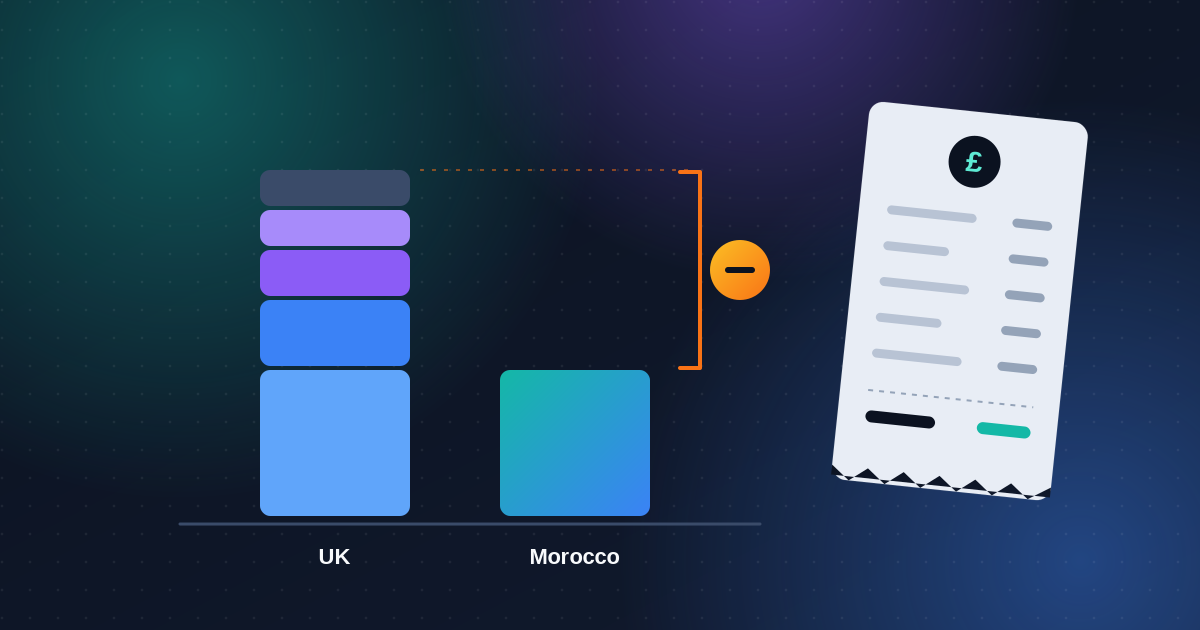
In the UK, salary pressure, recruiter fees and long notice periods can significantly increase the final budget.
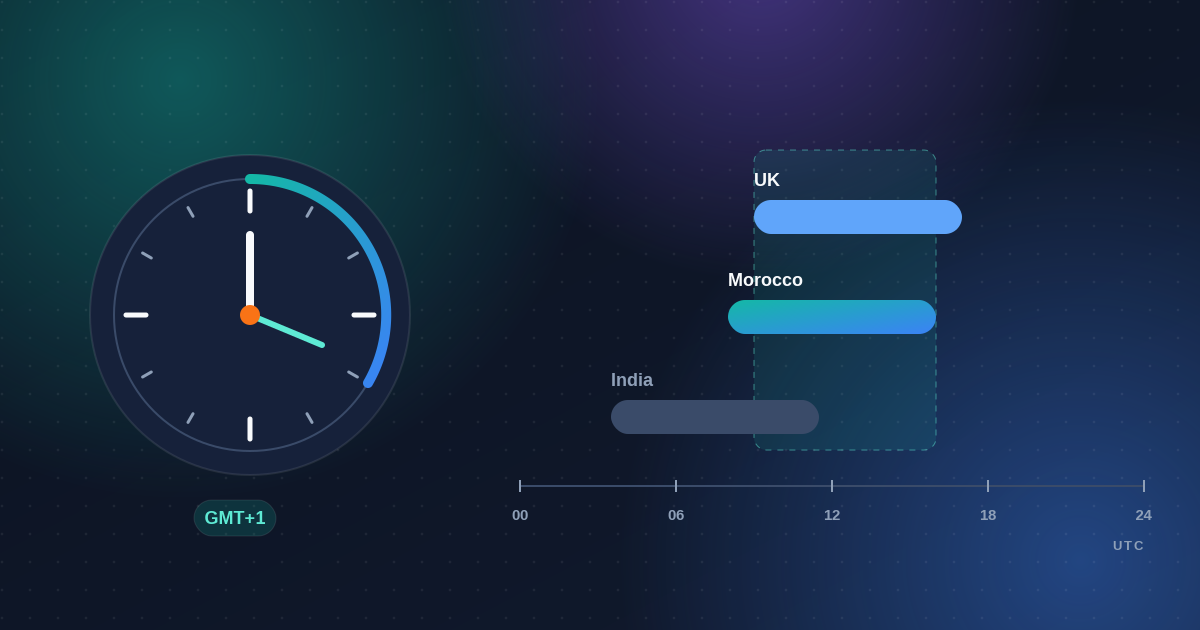
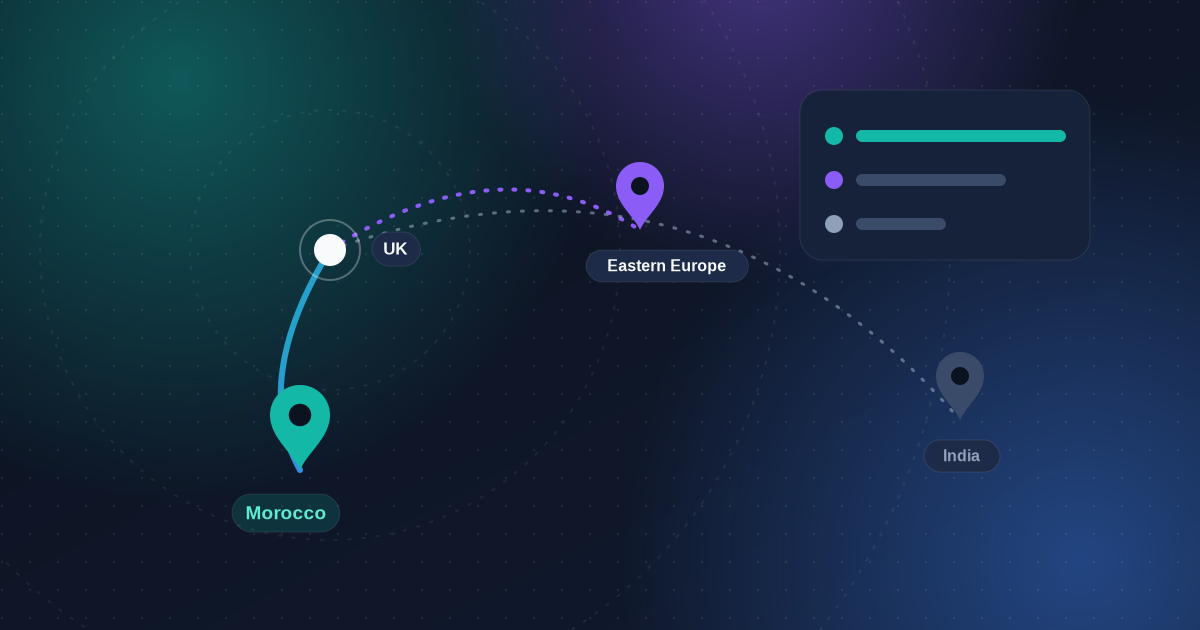
In Morocco, the main advantage is not just lower cost — it is the combination of availability, overlap with Europe and execution speed.
Why salary alone does not tell the full story
When a CTO compares markets, salary is usually the first line item reviewed. Yet the actual cost of a developer includes sourcing effort, interview time, onboarding, equipment, benefits, retention risk and the opportunity cost of delayed product delivery.
The real cost of hiring a developer in the UK
The UK remains an attractive market for strong engineering talent, but it is also one of the most competitive. Beyond compensation, companies often face recruiter fees, employer contributions, notice periods and bidding pressure from better-funded employers.
What hiring a developer in Morocco really costs
Morocco offers a more balanced cost structure for European companies looking to scale quickly. Competitive compensation, shorter sourcing cycles and tighter collaboration windows can materially reduce the true cost of building a product team.
Recruitment timelines, onboarding and productivity impact
A developer hired quickly but integrated poorly is still expensive. Companies should evaluate how fast a candidate can join, how soon they can contribute and how much management overhead is required to make them productive.
UK vs Morocco: a practical ROI comparison
For projects where speed, budget control and day-to-day collaboration matter, Morocco often becomes attractive because it compresses both cost and delay. Local UK hiring may still make sense for leadership or deeply embedded roles, but nearshore teams can improve capital efficiency for execution-heavy roadmaps.